
Today’s edification focuses on what lessons could be learned from a surprisingly pertinent episode of “The Twilight Zone” from 1962. “Four O’Clock” originally aired on April 6, 1962 via the CBS TV network. This was the twenty-ninth episode of the third season. Last year I covered another Twilight Zone episode entitled “The Little People.” Check out that review for some background on Twilight Zone creator, narrator, producer, and writer Rod Serling.
Of note, this post will include spoilers. Although, if a viewer has ever seen the Twilight Zone before then they can easily guess what will happen as soon as the main character says he wants to shrink all those individuals he judges as deficient. Plus over six decades have passed so a reviewer such as myself might not feel too guilty as more than half a century is oodles of time to watch the Twilight Zone. Nonetheless, if you want to be surprised then give the show a watch before reading any further.
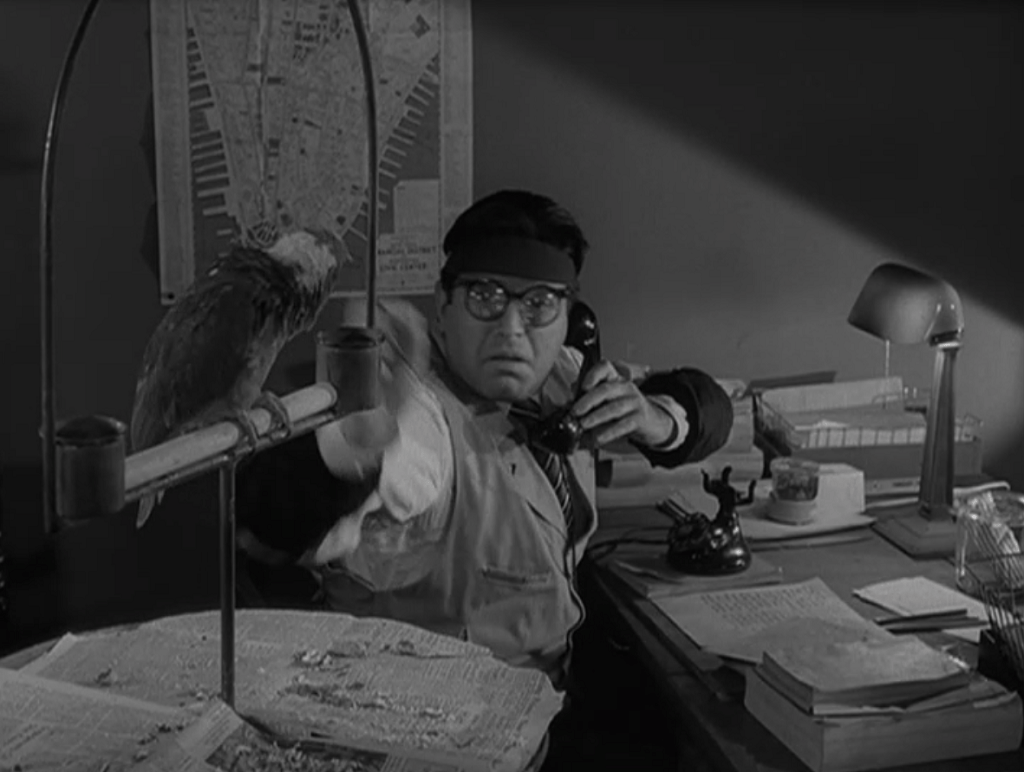
The plot centered on Oliver Crangle and only a few other characters appearing including a FBI agent, a landlady, and the wife of a doctor hounded by Crangle. The entire 25-minute long production took place in a single apartment building. Viewers never see the protagonist interact with family or friends. His only companion appeared to be a pet parrot called Pete. Pete was mostly silent, but periodically asked for food by saying “nut.”
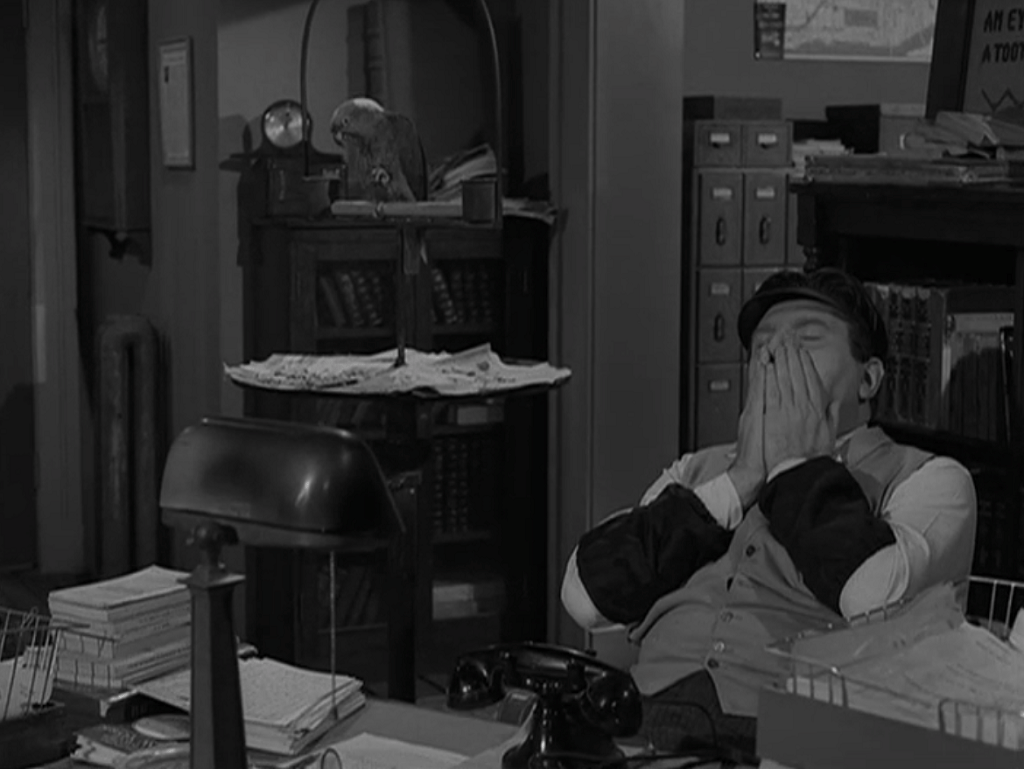
Crangle’s day consisted of recording the alleged wrongdoings of his fellow American citizens. Then he called their employers to demand that they be fired. Furthermore, Crangle attempted to enlist law enforcement personnel, such as an agent from the FBI, to assist in the persecution of those who he deemed immoral.
He thought of the perfect means to punish the “evil” people and hit upon the idea of shrinking all of them down to two-feet tall. The means by which he could accomplish such a fantastic feat was never discussed or explained. Nor was it made clear how he could determine who was evil and who was not. Nonetheless, he waited eagerly for the clock to hit four and expected his fantasy to come true. Suffice to say, he was insane.
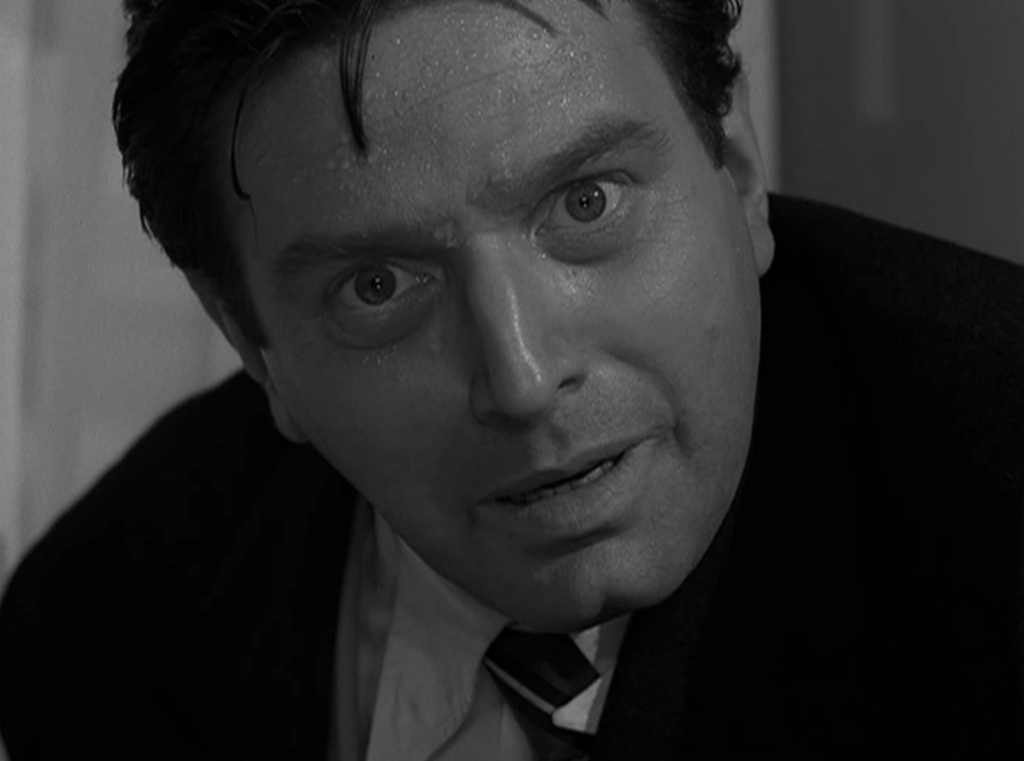
This narrative was admittedly ham-fisted. It was not subtle. When Four O’Clock first aired only eight years had passed since the U.S. Senate condemned Wisconsin Senator Joseph McCarthy. Undoubtedly, the terror of the Second Red Scare, when individuals ratted each other out using poorly sourced accusations of supporting communism, was at the forefront of Serling’s mind when he made this. Indeed, Crangle’s first phone call was to a company manager so he could accuse one of the manager’s employees of being a communist. Crangle demanded that the accused be discharged and claimed he intended to follow-up to ensure that the individual was fired. When questioned about the source of this information, Crangle refused to give a source. Instead, he said he just knows.
Sadly, Americans can easily detect parallels to Crangle’s slander in the public statements from their current government. For example, earlier this year ICE agents killed Alex Pretti. Afterward, administration officials claimed without proper evidence that Pretti was a “domestic terrorist.” (NOTE: Read the article entitled “Trump and Federal Officials Try to Blame Minnesota Authorities and Slain Man” by Katie Rogers and Hamed Aleaziz of the New York Times for more information.)
An example of a modern busybody like Oliver Crangle would be Chaya Raichik, operator of the Libs of TikTok social media accounts. Raichik uses social media instead of telephone calls, but her desire to harass people and call for their firing was the same as Crangle. (NOTE: Read the article entitled “Right-Wing Activists Urge Followers to Expose Those Celebrating Kirk Killing” by Alan Feuer, Ken Bensinger, and Pooja Salhotra of the New York Times for information on contemporary Crangles.)
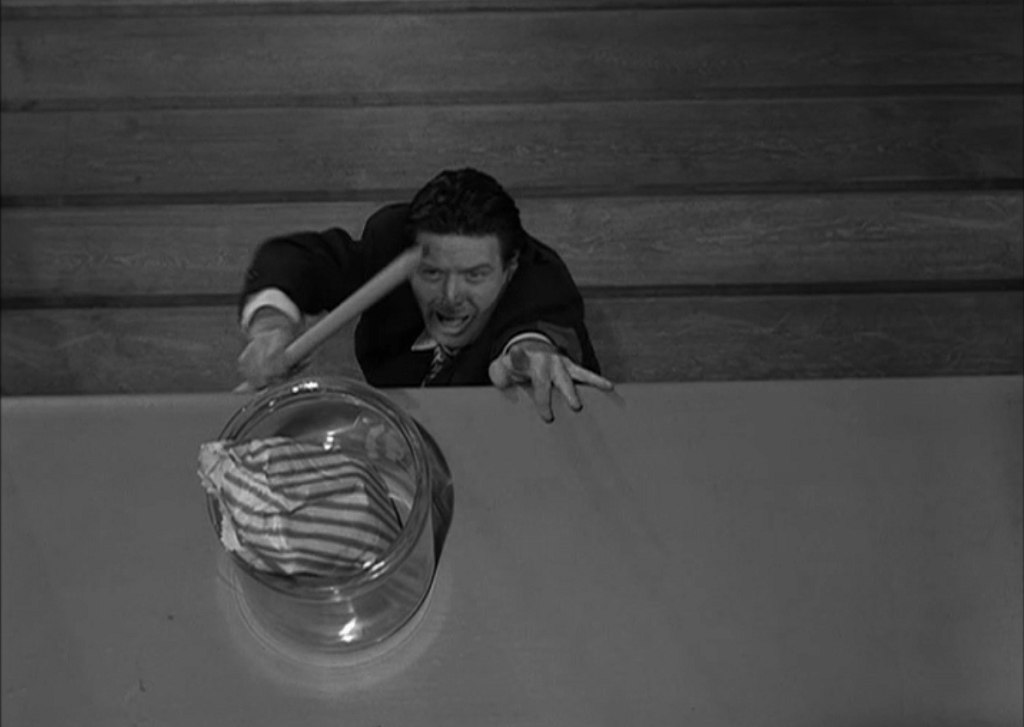
In the conclusion to Four O’Clock, unseen powers punished the agitator. It appeared that instead of his victims becoming reduced in size it was he who suddenly became too tiny to reach a window sill. If only our universe worked as well as the Twilight Zone.
The acting was good and even the special effects were good for the era. Although, the lack of any on-screen shrinking or interaction with regular-sized humans might deter shrinking fans.
One might wonder if the entire world was affected by the shrinking phenomenon or just a single person. Personally, I like to think that only Crangle became tiny, but no one else appeared after he shrank so maybe everyone was affected. Furthermore, Crangle was played as unmistakably crazy so it was an open question how effective his efforts were. Although, the doctor’s wife made it clear that Crangle was making her husband depressed.
Overall, I recommend Four O’Clock. The twist was heavy-handed and obvious from early on, but the message rings true in the 21st century as it did in the 20th.
Stay tuned to There She Grows for more scary reviews coming soon. Until then, shrink a busybody or two!
This post was written by Solomon E and is protected under Fair Use copyright law.
All Rights Reserved.

