
Good morning everyone,
This post will examine the use of the term “macrophilia” as the topic which There She Grows is primarily focused upon. “Macro” comes from the ancient Greek “μακρός” meaning “large” and “philia” comes from the ancient Greek “φίλος” meaning “that which is loved.” Accordingly, “macrophilia” is a “love of large” and a “macrophile” is defined as a “lover of large.” Easy enough to understand so far, but applying those definitions to real-world examples is where things become disputed.
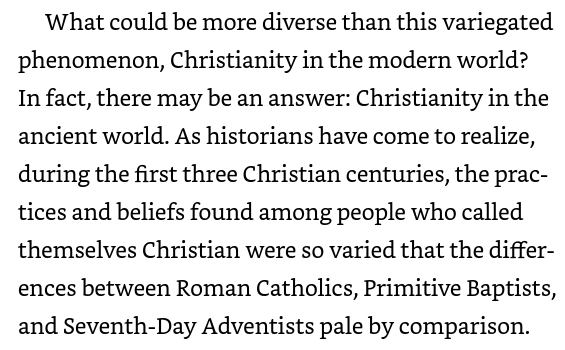
Defining terms is difficult. If someone disputes that claim then I challenge them to define American, art, and Christian in a way that will be universally accepted. For those wanting proof that the meaning of such commonly used words are disputed then they need only review a recent discourse in early June 2026 on X/Twitter between a U.S. Senator, Mike Lee, of the Mormon faith and a number of other presumably self-proclaimed Christians arguing that Mormonism is not true Christianity:
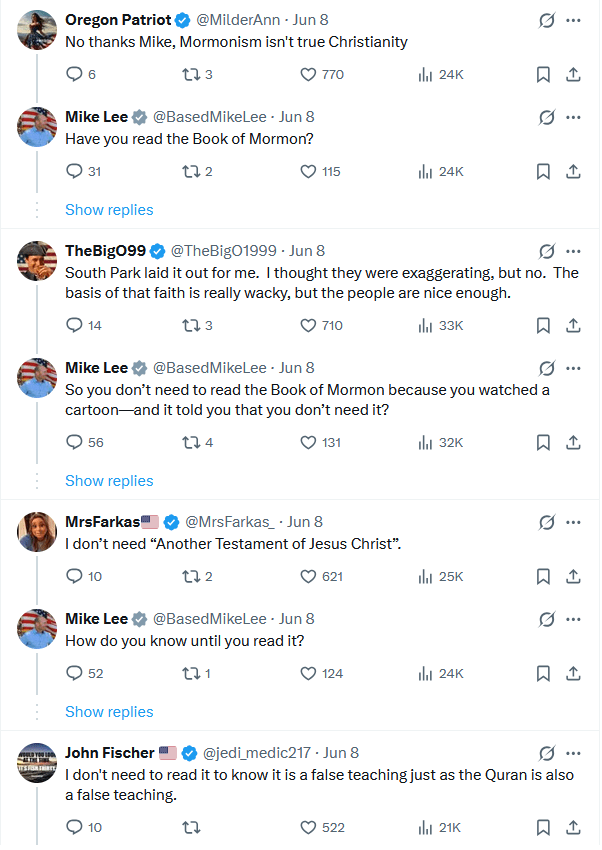
Presumably, most readers are well aware that meanings can be disputed so I will not belabor this point. If need be it is trivially easy to find other examples where American, art, and Christian mean different things to different people. Keeping how hard it is to define a word in mind, macrophile is a useful expression akin to similar but already commonly known examples such as audiophile, cinephile, and francophile.
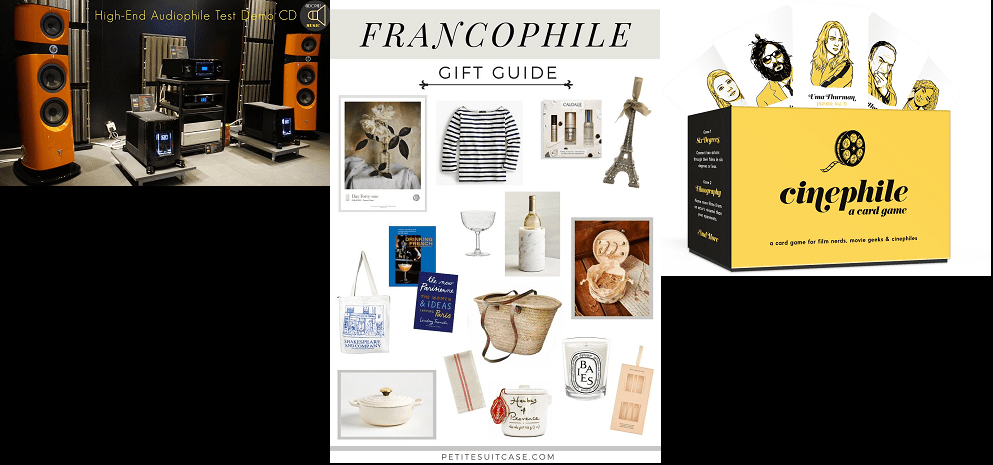
Those terms are used in advertisements and do not carry a negative connotation. Ergo, if you have a friend who spends a lot of money on a high-end stereo system you can call them an audiophile without implying something is wrong with them. If the companies believed that those words had a bad sense then they would not use them when trying to sell things. The same consideration should apply to calling someone a macrophile. There should be no more stigma to being a macrophile then there is to being a person who wants pineapple on pizza.
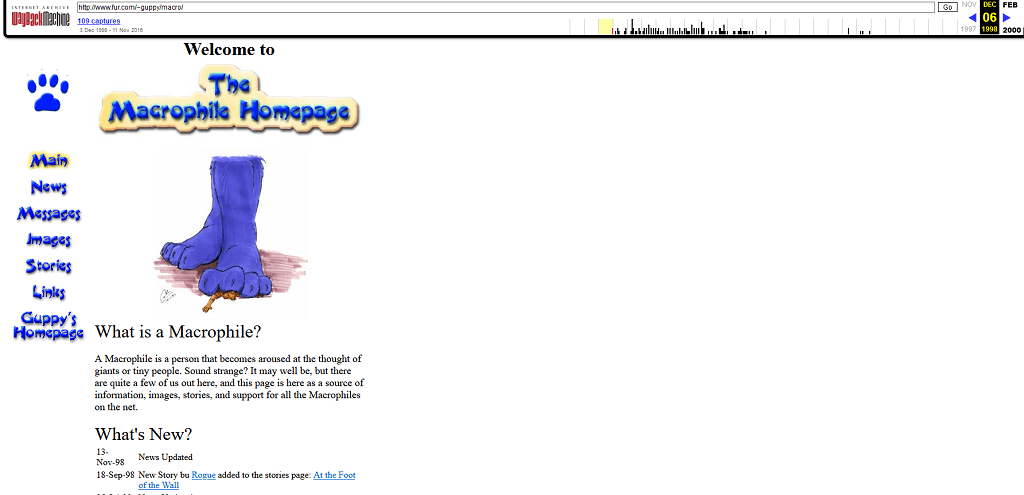
Of course, I am not the first person to coin the word macrophile. It has been in use for over a quarter of a century as shown in this December 1998 screenshot from The Macrophile Homepage maintained by the Wayback Machine:
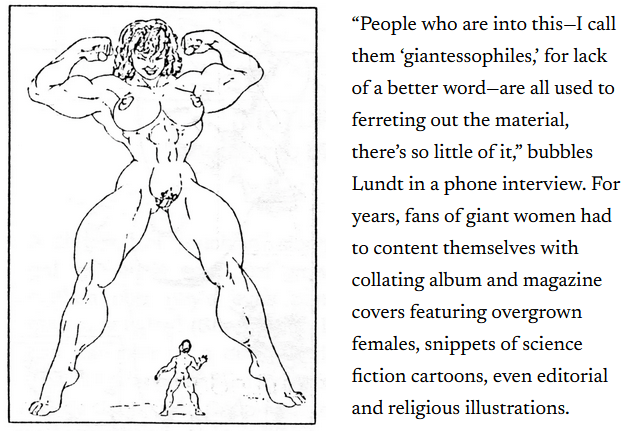
Previously, publisher Ed Lundt used giantessophile in an interview with American actor and comedian Patton Oswalt published in the January/February 1995 issue of The Nose magazine.
However, macrophile is inclusive of all genders which is important because countless examples demonstrate that all genders demonstrate size interest. Thus, There She Grows analyzes and critiques media made for macrophiles. Meaning it primarily engages with stories concerning the appeal or love of something large. At There She Grows that definition includes breast expansion, cock enlargement, inflation, growing & already giant people, and even to shrinking & tiny people insomuch as the appeal of being made small is that others will become large in comparison. A story in which everything is reduced in size by the same factor would not entail changes in the physical relationships and therefore would be pointless.
Of course, others will disagree. For instance, to the best of my knowledge, the Breast Expansion (B.E.) Archive has operated continuously longer than Giantess City or any other forum devoted to giants or tinies. Many B.E. Archive users may have never considered themselves to be macrophiles. They could instead identify themselves narrowly as B.E. fans or more broadly as inflation fans.
That is fine of course. I will not dispute their self-identification. Just as I will not dispute the claim when a Catholic, a member of The Church of Jesus Christ of Latter-day Saints (a.k.a. a Mormon), a Jehovah’s Witness, or a mainline Protestant labels themself a Christian and the other claimants as heretics. Christianity has had separate denominations from the very beginning which each claimed to be right. For evidence of that claim read about the Ebionites, the Gnostics, and the Marcionites who in their day just called themselves “Christian,” but other early church leaders disparaged as “heretics.” Suffice to say that Christian has been hotly debated since the very beginning.
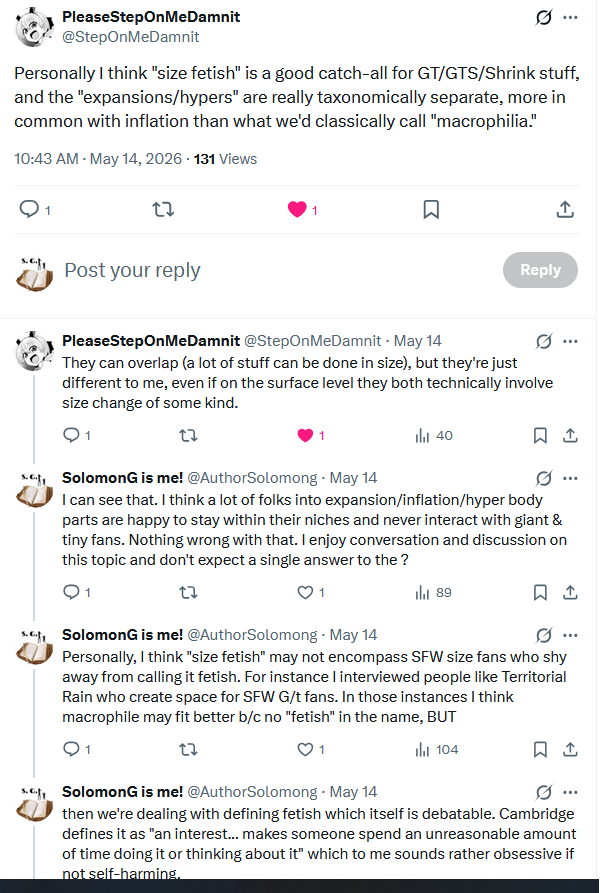
Additionally, size fetish might also work in place of macrophilia and personally I have used size fetish as interchangeable with macrophilia. Although, having now interviewed artists making safe for work (SFW) content, such as Territorial Rain who shy away from associating with fetish, macrophilia works better.
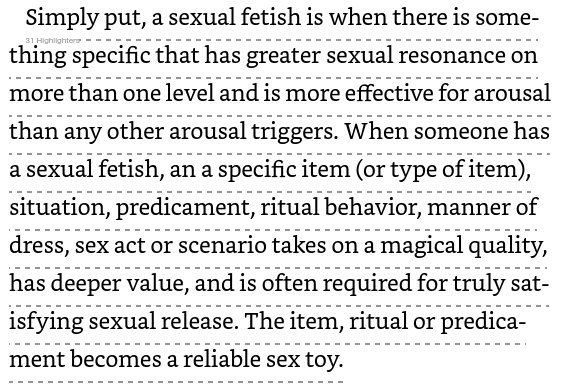
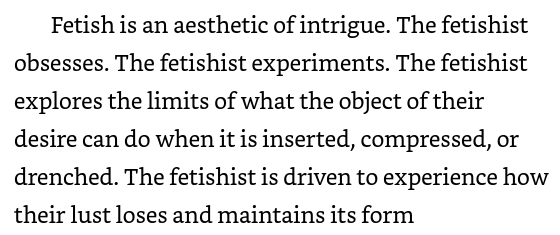
Dictionaries, such as the Cambridge Dictionary and Merriam-Webster, define “fetish” as an obsessive sexual interest:
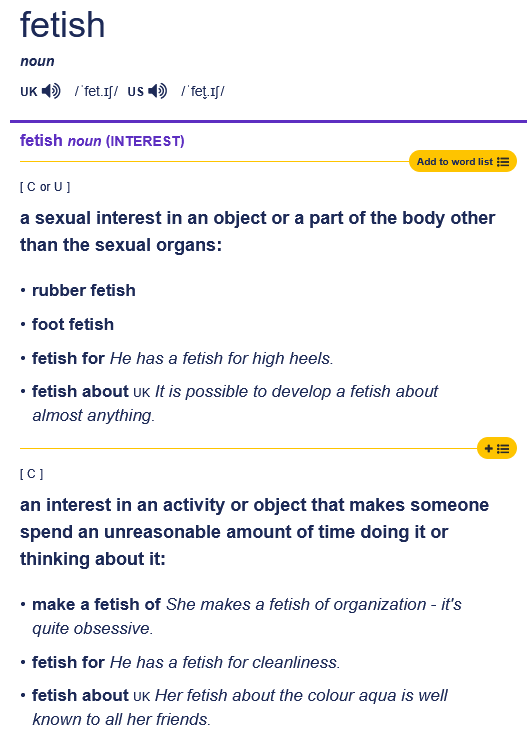
If I have a size fetish then perhaps it does not actually entail devoting an “unreasonable amount of time doing it or thinking about it” as claimed in the Cambridge definition. I have been married for over 30 years, had three kids, and held done a job for decades. I was able to at least fake being a productive member of society despite the unreasonable amount of time devoted to my size fetish. Although, maybe if I did not have a size fetish then I could have used the extra time to maintain not just one but two marriages, had not just three but six kids, and held done a job for not just decades but for a hundred years 😉
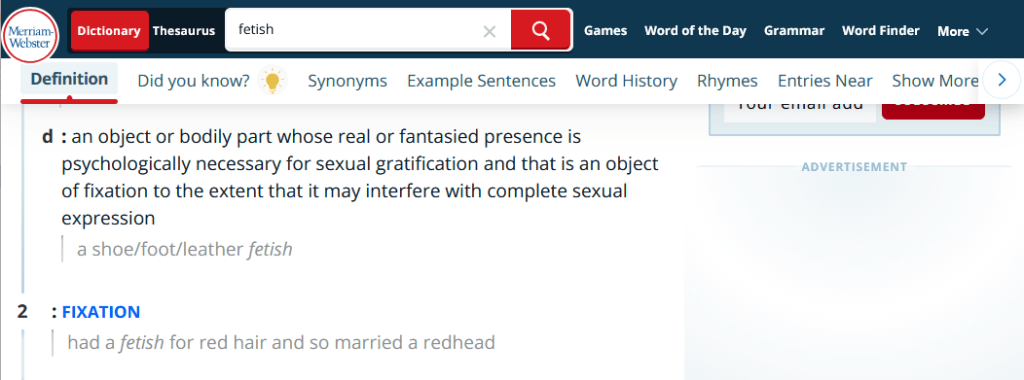
Perhaps the dictionary’s incomplete definition may arise due to their desire to be as succinct as possible in contrast to other writers who are free to write at greater length.
Art from fans of anthropomorphic animals (ergo “furries” such as Dnapalmhead) and stories from fans of characters with more than two arms (for more on that read the interview with BRK, Founder of Metabods) intersect with macrophilia and There She Grows will occasionally cover them, but consider them to be separate.
With all that noted, does anyone have a better term? Is there a better way to refer to members of the size community than macrophile? Please comment below with your thoughts or e-mail me at SolomonG_author@outlook.com
That is it for now folks. Another related post about macrophile creators from around the world is coming up in mere minutes. Until then, keep growing as a macrophile!
This editorial was written by SolomonG and is protected under Fair Use copyright law.
All Rights Reserved.
 There She Grows